Why Dubai’s Off-Plan Market Stands Out
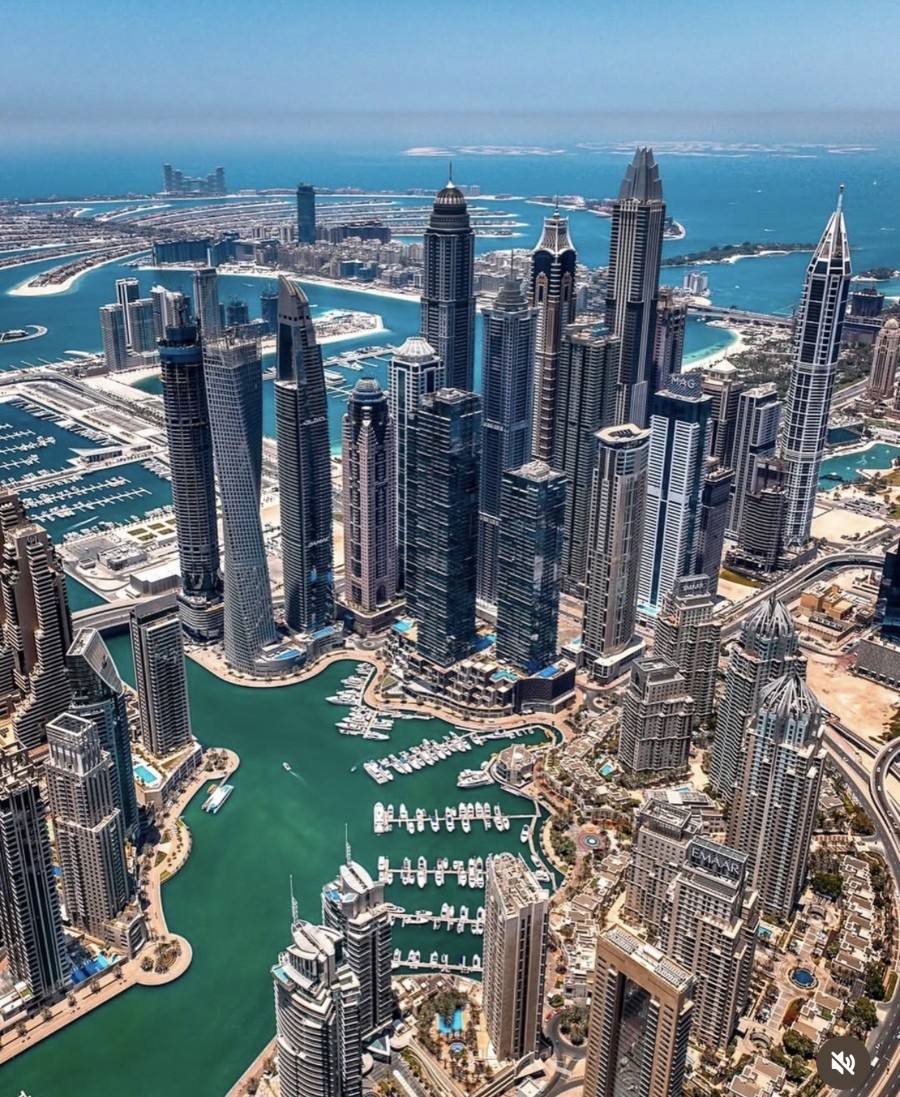
Dubai’s off-plan property market offers a compelling investment proposition because it is underpinned by structure, regulation, and long-term planning — not speculation. Developments operate through strict escrow systems, reputable developers are closely regulated, and delivery frameworks are far more robust than in previous cycles.
One of the key advantages of off-plan investing is the ability to enter projects below full market value. Flexible payment plans allow investors to spread capital during construction while benefiting from capital appreciation as projects progress toward completion. In a city experiencing consistent population growth, infrastructure expansion, and strong international demand, this creates favourable conditions for long-term returns.
From a construction perspective, Dubai delivers at speed and scale. Modern layouts, efficient design, and rental-focused specifications are now central to most developments. Having spent decades in development myself, I place particular importance on build quality, design efficiency, and realistic pricing — factors that ultimately determine whether an off-plan investment performs or disappoints.
Importantly, the market today reflects lessons learned from the past. Experiences such as the 2008 crash have resulted in stronger oversight, improved transparency, and a more disciplined approach to development. That evolution is why I have confidence in the current off-plan market and why I am comfortable guiding investors through it.
Off-plan investing is not about chasing quick wins. It is about selecting the right developer, the right location, and the right timing. When those elements align, Dubai’s off-plan market offers one of the most attractive property investment opportunities globally.
Where Investors Should Be Looking
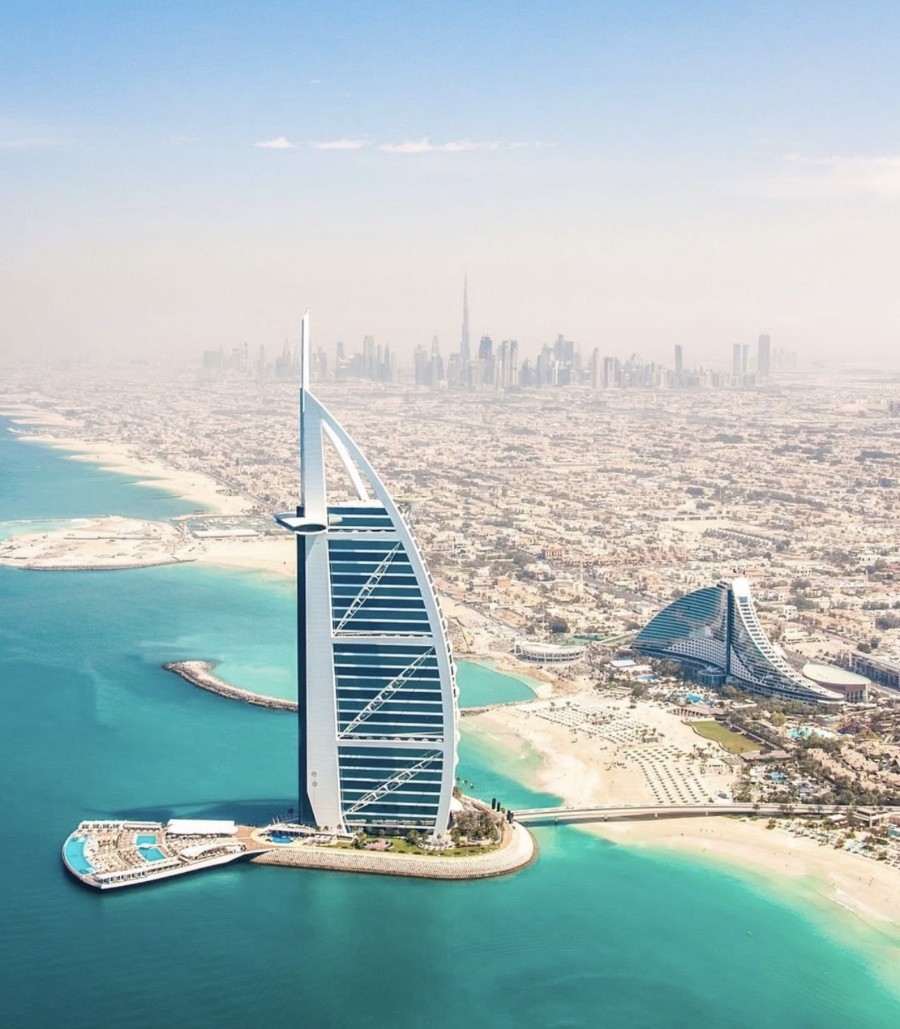
While many areas continue to perform well, experienced investors understand that timing and supply are just as important as location. Some communities are currently seeing large volumes of properties handed over within short timeframes, which can temporarily saturate the market and place pressure on rental yields and resale values. Understanding future supply is critical when selecting off-plan investments.
For this reason, the strongest opportunities today are often found in areas aligned with long-term master planning, waterfront expansion, and infrastructure-led growth rather than high-density, short-cycle developments.
Locations such as Dubai Islands represent a major evolution of Dubai’s coastal offering, benefiting from government-backed regeneration and long-term tourism appeal. Palm Jebel Ali stands out as a landmark project with limited supply, strong global interest, and a development timeline that supports capital appreciation rather than short-term saturation.
Dubai South continues to attract attention due to its strategic importance around Al Maktoum International Airport and Expo City, positioning it well for long-term residential and commercial demand. Areas such as Jumeirah Village Triangle (JVT) offer a lower-density alternative to nearby communities, with improving infrastructure and growing appeal to end users.
Waterfront locations like Dubai Maritime City also present compelling opportunities, combining proximity to the city with lifestyle-driven demand and limited land availability. Outside Dubai, Ras Al Khaimah’s Al Marjan Island is increasingly on investors’ radar, supported by major hospitality developments and rising international interest.
Beyond Dubai, Abu Dhabi offers a different investment dynamic — one defined by stability, institutional demand, and long-term government-backed growth, making it an attractive option for investors seeking diversification.
Why the Type of Property Matters
Beyond location, the type of property investors choose is becoming increasingly important. Villas and townhouses currently make up only around 12% of the residential market, creating a clear imbalance between supply and demand. As population growth continues, this limited supply is likely to drive strong capital appreciation over the medium to long term.
This is especially true for waterfront and beach-adjacent villas and townhouses, where scarcity is even more pronounced. These properties attract high-net-worth end users as well as investors, making them more resilient across market cycles.
Apartments still play an important role, but selectivity is essential. The strongest apartment investments tend to be branded or architecturally unique developments, offering generous unit sizes, strong layouts, and genuine lifestyle appeal. Well-designed, distinctive buildings consistently outperform standard high-density stock in both rental demand and resale value.
From a development perspective, quality and uniqueness matter. Properties that stand out through design, location, or branding are far better positioned to hold value long after completion and are less vulnerable to oversupply.

Final Thoughts
Successful property investing is not about following trends or chasing headlines. It is about understanding cycles, recognising risk, and focusing on quality, scarcity, and long-term fundamentals. Having built, invested, lost, and rebuilt across multiple market cycles, I bring a practical, disciplined approach to every opportunity I assess.
For investors seeking clear, impartial guidance in Dubai and the wider UAE — grounded in real development experience rather than sales targets — I believe there has never been a more important time to take informed advice. I work only in my clients’ best interests, advising on opportunities I would invest in myself and treating their capital with the same care as my own.
Those looking to navigate the off-plan market with clarity and confidence are always welcome to reach out for an open, honest conversation.